Featured

Mobile App Development

Tips to Create Successful Mobile Application

Demand of mobile apps is increasing rapidly around the globe and we can find millions of Business apps, lifestyle apps, educational apps, on-demand apps etc on the Google Play Store and the App Store.

Starting your own app based business is good idea but you must have a proper plan for it as the competition is stiff and its challenging to attract the users.

Here I am sharing few tips and tricks on how to create successful mobile app:

KNOW THE PAIN POINT

You should know your audience first and it will save a lot of time as well as money before the launch of an app in the market blindly. Must know the exact requirements of the audience and It’s imperative to know the pain point you want to solve in better way. It will also help you to understand the things they don’t like in the apps already available in the market.

Ask the following questions:

  • Who is your app built for?
  • What are the problems of the user for which they are looking for the solutions?
  • How is your app delivering value to its users?

IDEA

After analyzing the problems, interest and requirements of the users it will be a bit easier for you to come up with an app idea. If you are struggling to come up with an idea, then go an analyze other apps in the market, which will give you a few ideas.

If your idea is solving a specific point point for a niche target audience then you are on the right track.

MARKET RESEARCH & COMPETITOR ANALYSIS
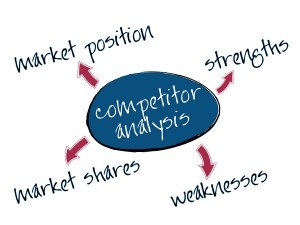
mareket research

Now, you know that you are going to build an app for particular field and next step is to move towards the market research.On the App Store we have more than 2 million apps available. To keep the app be successful, you need to offer something unique so that users are tempt to download your app. Now, the next step is to move towards the market research. Check out the similar apps on the Store. Download few apps use them personally from the end user’s perspective and you’ll come to know about the positive and negative points of your competitors. In this way you can also find the latest trends and see what your potential customers want right now.After you have determined who it is that you’re targeting, you need to determine what makes your app better than your competitors.

PLATFORM CHOICE

You should choose the best platform for your app so that you can provide good experience to the users. You can go for Android app or iOS app or both depending on your target geography and audience. You may choose to go with:

Native: For specific platform only like iOS or Android. Different code for different platform.

Hybrid: For both platforms iOS and Android. You can code once and reuse it for both iOS and Android

DESIGN AND DEVELOPMENT

If you are familiar with any of mobile app programming language then it’s good otherwise you can hire a developer or a team of developers and designers for the app development.

Designing is the first step and functionality development is second. UI of your mobile app should very innovative, modern and smooth.

For designing part:

Firstly start with rough handed sketches of all the screens i.e wireframes It will give you rough layout of the structure and hierarchy of mobile app.

Second step is to start designing the screens according to rough handed sketches and if you have PSD of screens then convert it to the HTML. Interlink all the screens. Now the front view of your app is ready. You can adjust the colors, buttons and icons etc according to your choice. Focus on the user interface and user experience. The functionality comes later.

For functionality part:

You have screens ready, now you need to integrate the functionality at the backend to make the buttons or other things working and showing the valid results.

Add all the required functionalities and the mobile app is ready.

TESTING

It’s very important to properly test your app before you launch it in the market. Try to find as many bugs as you can before you launch. You can always launch incremental updates with bug fixes post launch but it’s best to avoid any crashes or bugs before you put the app in the hands of your customers. Focus on giving a great user experience to your customers.

LAUNCH YOUR APP

Finally, its the time to submit your app to the store. You must know and abide by the guidelines and the rules of the app store for the successful approval of your app. If you want your app to have a high download and user retention rate, it needs to make a good first impression within the first few days of the launch.

In order to optimize the onboarding process, this is a critical time to focus on highlighting the value of the app. If you are unable to impress your new users quickly, you’ll likely lose their interest altogether.

MOBILE APP MONETIZATION

You should select the best monetization strategy based on your app’s purpose.

I am sharing few app monetization strategies which will be helpful to make money from the mobile app.

  1. Advertising: This is the most common and easy way to drive more traffic to your app and get more downloads by end-users. You can do advertising by third-party ad networks. Different type of ads like- Banner ads, Native ads, Video ads, interstitial, incentivized and display ads.
  2. Sponsorship: If you have decent traction in the market then you will also attract the sponsors. This can be done in two ways: Either receive a monthly sponsorship fee or to split the revenue with your sponsor.
  3. In-app purchases: This is the powerful strategy to earn money. All you need to do is to keep some features paid in your app. Those paid features must be very attractive and your app should entice the user to upgrade to those features.
  4. Push or e-mail marketing: Once you have a large user-base, you can charge brands to add their logos or offer in your email newsletter or push notification.
  5. Subscriptions: You can add subscriptions to your mobile app. Subscription means you are offering some content to the user for a limited period of time and after the user will pay to unlock the whole content without any restriction.
  6. Collecting and selling data: As we all know that mobile apps collect the behaviour data of their user and this type of data can be required by number of researcher, So you can sell that behaviour data to the researcher and make a good amount of money.

ANALYTICS

Keep your eye on the Analytics. Check the analytics on daily basis so you will came to know everything about the traffic you are getting. Focusing on the right metrics will provide insight into which areas your app need to be tweaked and upgraded.

  • Measure user engagement, marketing campaigns, monetization etc for your apps.
  • Understand your app downloads, proceeds, subscriptions activity.
  • Break out your earnings by product, country, currency, price etc and get the financial reports for your app.

You can download any app analytic tool like Google Analytics, Firebase, Apsee etc to get the correct results. In this way you can track the performance of your mobile app on the app store.

Over the last decade, I’ve launched many apps and SaaS platform for entrepreneurs and early-stage startups who’ve gone ahead and made hundreds and millions of dollars using these platforms. If you have an app idea and not sure where to start, I can help. Feel free to connect with contact details in my profile.

Best ERP Software Options for Small Businesses in India

Best ERP Software Options for Small Businesses in India
SEO Article by Maisha Infotech Softlabs — Human-written, Unique & Plagiarism Free


In today’s fast-paced business world, ERP (Enterprise Resource Planning) software has become a game changer for small businesses in India. Whether you’re managing inventory, accounting, sales, HR, or customer relationships, an ERP system helps you unify these functions into one powerful platform — boosting efficiency, reducing manual work, and improving decision making. At Maisha Infotech Softlabs, we understand how crucial the right ERP choice is for your business growth. So let’s explore some of the best ERP software options tailored for small businesses in India in 2026.


🔎 What Is ERP and Why Your Small Business Needs It

ERP software brings together multiple business operations into a unified system. It automates daily processes, enhances visibility across departments, and helps small businesses:

  • Manage accounting and GST compliance
  • Improve inventory and order control
  • Track sales, customer data, and leads
  • Streamline HR and payroll
  • Generate real-time reports for better decisions

This centralization makes ERP essential for scaling operations and maintaining competitiveness in today’s digital economy.


 Top ERP Software Options for Small Businesses in India

Below are some of the best ERP software solutions that are affordable, feature-rich, and ideal for Indian small businesses:

1. ERPNext (Open-Source & Flexible)

ERPNext is one of the most popular open-source ERP solutions available in India. It includes key business modules like accounting, inventory, CRM, HR, and manufacturing — all customizable to your workflow.
✔ Great for startups and growing SMEs
✔ No license fees (self-hosted)
✔ Large community support
⚠ Requires some technical setup during deployment


2. Odoo (Modular & Scalable)

Odoo is a highly modular ERP platform allowing businesses to pick just the apps they need — from sales and inventory to CRM and HR. Its flexibility and clean interface make it popular among small and medium enterprises.
✔ Scalable as business grows
✔ Cloud and on-premise options
✔ Strong ecosystem of add-ons
⚠ May require a developer for initial setup 


3. Zoho ERP / Zoho One Suite

Zoho’s suite of business apps — including Zoho Books, Zoho Inventory, and CRM — delivers an integrated ERP experience that’s ideal for small businesses and startups. It’s cloud-based, affordable, and easy to adopt.
✔ Excellent value for money
✔ Integrated ecosystem of business tools
✔ Built-in GST and automation features
⚠ May not be as customizable as open-source ERP’s 


4. TallyPrime (ERP + Accounting)

A household name in India, TallyPrime is trusted by small businesses for accounting, GST compliance, payroll, and basic ERP functions. While its interface is traditional, it remains powerful and reliable for finance-heavy operations.
✔ Strong accounting and GST support
✔ Widely used across Indian SMEs
⚠ Less modern interface compared to cloud ERPs 


5. Vyapar ERP

If you run a small retail shop or service business, Vyapar offers a simple yet effective ERP experience — focusing on billing, inventory, and GST management. It’s budget-friendly and suitable for microbusinesses.
✔ Easy to use for non-technical users
✔ Affordable pricing
⚠ Limited depth for advanced business processes 


6. myBillBook ERP

Perfect for small retailers and MSMEs, myBillBook combines billing, inventory, and reporting at a very competitive price point. It’s ideal for businesses that want core ERP functionality without complexity.
✔ Strong invoicing and inventory tracking
✔ Affordable yearly plans
⚠ Less suited for multi-department operations 


 How to Choose the Right ERP for Your Business

Choosing the right ERP depends on your business needs, budget, and future plans. Here are some pointers:

 Budget: Cloud-based ERPs like Zoho and Vyapar are often more affordable than larger systems.
  Customizability: Open-source options like ERPNext and Odoo can be tailored to unique workflows.
  Ease of Use: Platforms with intuitive UI require less training for teams.
  Scalability: Think about whether the ERP can grow with your business.
  Support & Training: Good vendor support helps with onboarding and troubleshooting.


 Final Thoughts

Whether you’re a budding startup or an established small business, ERP software can transform how you operate — saving time, reducing errors, and helping you focus on growth. At Maisha Infotech Softlabs, we recommend evaluating your core business needs first and then choosing an ERP that aligns with your vision and budget.

Ready to take your business operations to the next level? Get in touch with us today for personalized ERP guidance, implementation support, and ongoing help! 

Best ERP Software for SMBs + Top CRM Platforms That Integrate Well With ERP


In today’s competitive market, small and medium businesses (SMBs) need powerful yet affordable systems to manage operations, finance, inventory, sales, and customer relationships. Two critical technologies that fuel growth are ERP (Enterprise Resource Planning) and CRM (Customer Relationship Management). Choosing the right ERP and CRM—especially platforms that integrate well with each other—can dramatically improve efficiency, data accuracy, and customer satisfaction.

In this blog, you’ll learn:

✅ The best ERP software options for small to medium businesses (SMBs)
✅ The top CRM platforms that integrate seamlessly with ERP systems
✅ How to choose the right combination for your business

Let’s dive in.


What Is ERP Software and Why SMBs Need It

ERP (Enterprise Resource Planning) systems centralize core business functions into a single platform. These functions typically include:

  • Financial accounting
  • Inventory management
  • Procurement and purchasing
  • Production planning
  • HR management
  • Reporting and analytics

For small and medium businesses, an ERP helps eliminate data silos, improve workflow automation, and enhance inventory, order, and financial control. Rather than using multiple disconnected tools, an ERP provides one single source of truth for business data.

Key Benefits of ERP for SMBs:

✔ Improved operational efficiency
✔ Better financial visibility and controls
✔ Real-time reporting and analytics
✔ Scalable architecture for growth
✔ Reduced manual data entry and errors


How to Choose the Best ERP for SMBs (Checklist)

Before we explore the top ERP solutions, it’s important to understand what to look for:

📌 Must-Have ERP Selection Criteria:

  1. Affordability & Subscription Pricing – SaaS and modular pricing reduce upfront costs
  2. Ease of Use – Simple interfaces and onboarding for non-technical users
  3. Core Business Functionality – Finance, inventory, purchasing, reporting
  4. Scalability – Ability to handle business growth without switching systems
  5. Cloud vs On-Premise Options – Cloud is preferred for remote access and lower IT overhead
  6. Integrations – Ability to connect with CRM, e-commerce, HR systems, and marketplaces
  7. Support and Community – Vendor support, documentation, and user community help

Top ERP Software Options for Small to Medium Businesses

Here are the best ERP systems currently available for SMBs—with real business use cases and integration flexibility.


✅ 1. Oracle NetSuite ERP

NetSuite is a leader in cloud ERP for growing SMBs. It consolidates financials, inventory, order management, and reporting into one platform.

Best For: Mid-sized businesses experiencing rapid growth
Key Features:

  • Unified financial and operational dashboard
  • Automated billing and revenue recognition
  • Real-time inventory and order management
  • Custom workflows and roles
  • Strong multi-currency and global capabilities

Why SMBs Love It: NetSuite is highly scalable with built-in analytics and strong CRM/ERP integration options.


✅ 2. Microsoft Dynamics 365 Business Central

Microsoft Dynamics 365 is a flexible ERP that integrates deeply with Microsoft products like Office 365, Teams, and Power BI.

Best For: SMBs using Microsoft ecosystem
Key Features:

  • Finance and project accounting
  • Inventory and supply chain management
  • Built-in CRM workflows
  • Seamless Power BI analytics
  • Modular licensing (activate what you need)

Why SMBs Love It: Familiar Microsoft interface, strong integrations, and flexible modules.


✅ 3. Odoo ERP

Odoo combines ERP functions with CRM, e-commerce, POS, and HR modules in one affordable open-source platform.

Best For: SMBs seeking modularity and low cost
Key Features:

  • Inventory, sales, purchasing
  • Accounting and project management
  • Custom modules from an active community
  • Cloud and on-premise versions

Why SMBs Love It: Extremely affordable, customizable, and scalable.


✅ 4. SAP Business One

SAP Business One is a simplified ERP tailored for SMBs that need enterprise-grade capabilities without enterprise cost.

Best For: Growing SMBs with complex operations
Key Features:

  • Financial accounting and reporting
  • Procurement and warehouse control
  • Professional services automation
  • Analytics and AI dashboards

Why SMBs Love It: Trusted SAP platform designed for small businesses.


✅ 5. Acumatica Cloud ERP

Acumatica is a cloud-based ERP with strong modules for finance, distribution, manufacturing, and service businesses.

Best For: SMBs with expanding distribution or manufacturing needs
Key Features:

  • Financials and project accounting
  • Advanced inventory and order management
  • Manufacturing module
  • Flexible licensing

Why SMBs Love It: Good scalability, strong mobile access, and flexible deployment.


Top CRM Platforms That Integrate Well With ERP Systems

While ERP handles operations and finance, a CRM focuses on customer relationships, sales pipeline, and marketing automation.

Integrating CRM with ERP provides shared customer data, better forecasting, and unified workflows across sales and operations.

Here are the top CRM platforms designed to integrate smoothly with ERP systems.


🔹 1. Salesforce CRM

Salesforce is the most widely used CRM globally. It integrates with many ERP systems including NetSuite, SAP, Microsoft Dynamics, and Odoo.

Best For: Businesses with strong sales and marketing focus
Integration Highlights:

  • Order and account sync with ERP
  • Lead to cash workflows
  • Customized automation with Salesforce Flow

Ideal Use Cases: Tech, retail, staffing, services, and fast-growing SMBs


🔹 2. Microsoft Dynamics 365 CRM

Native CRM integrated into Microsoft’s ERP ecosystem.

Best For: Companies already on Microsoft stack
Integration Highlights:

  • Common data model with Dynamics ERP
  • Seamless Office 365 support
  • AI-driven insights and automation

Ideal Use Cases: SMBs using Outlook, Teams, and Power BI


🔹 3. HubSpot CRM

HubSpot offers a powerful free CRM with simple ERP integrations via middleware like Zapier, Workato, or custom APIs.

Best For: SMBs focused on inbound marketing
Integration Highlights:

  • Marketing automation linked to sales data
  • Contact and deal sync
  • Custom workflows and tracking

Ideal Use Cases: Marketing-driven SMBs, e-commerce brands


🔹 4. Zoho CRM

Zoho CRM integrates natively with Zoho ERP (Zoho Books/Inventory) and also with third-party ERPs like NetSuite and SAP.

Best For: Cost-sensitive SMBs
Integration Highlights:

  • Unified customer view
  • Sales, workflow automation, and reporting
  • Marketplace extensions

Ideal Use Cases: SMBs with simple ERP + CRM requirements


🔹 5. Pipedrive CRM

Pipedrive is a sales-centric CRM that can integrate with popular ERPs through API or middleware services.

Best For: Sales-first small teams
Integration Highlights:

  • Deal and activity sync
  • Customer data consolidation
  • Custom API integration

Ideal Use Cases: Small sales teams with simple ERP needs


How ERP + CRM Integration Benefits Your Business

Here’s why SMBs increasingly choose CRM platforms that integrate tightly with ERP:

📈 1. Unified Customer Data

ERP and CRM share customer records so sales, finance, and support teams see the same data in real time.

⚙ 2. Improved Order Processing

Sales orders entered in CRM can flow into ERP automatically for fulfillment, reducing errors and latency.

💰 3. Better Forecasting

Revenue forecasts from CRM sync with financial planning modules in ERP, improving budgeting accuracy.

📊 4. Enhanced Reporting

Consolidated dashboards track sales, revenue, production, and customer satisfaction in one view.

🤝 5. Boosted Productivity

Teams avoid manual data entry and duplicate systems; automation drives efficiency.


How to Choose the Right ERP + CRM Stack (Step-by-Step)

Use this simple framework before selecting platforms:

📌 Step 1 – Define Current Pain Points

List what’s working and what isn’t: invoicing delays, inventory mismatches, slow sales cycles, missed quotes?

📌 Step 2 – Determine Your Budget

Include software subscription costs, implementation fees, training, and integrations.

📌 Step 3 – Identify Key Features

Must-have modules (inventory, sales forecasts, marketing automation)?

📌 Step 4 – Evaluate Integration Needs

Do you need real-time sync or batch updates? What data must connect?

📌 Step 5 – Compare Demos

Always ask vendors for demos that reflect YOUR business use cases—not generic features.

📌 Step 6 – Check Reviews & Case Studies

Look for SMB case studies in your industry.

Ultimate Guide: Choosing a CMS for E-commerce + Comparing ERP for Manufacturing + Finding ERP/CRM Development Services Near You


Running an online store and running manufacturing operations often share the same goal: smooth, reliable systems that help you sell more and run operations leaner. This long-form guide answers three frequently paired questions for business owners and digital teams:

  1. How to choose a CMS for an e-commerce website
  2. How to compare features of popular ERP solutions for manufacturing
  3. Where to find ERP and CRM development services near you

Below you’ll get decision frameworks, crisp comparisons, SEO keywords, and an actionable vendor checklist so you can move from research to vendor selection fast.


1. How to choose a CMS for an e-commerce website

Quick summary (one-line)

Pick the CMS that best matches your business model (catalog size, B2B/B2C mix), technical resources (in-house dev or none), growth plans, and required integrations (ERP, PIM, payment gateways, marketplaces).

Key decision criteria

  • Business model fit: B2C, B2B, marketplace, subscription, digital downloads — different CMSes shine in different scenarios.
  • Scalability & performance: How many SKUs, traffic spikes, internationalization?
  • Security & compliance: PCI DSS, GDPR, local tax rules.
  • SEO & content control: URL control, structured data, canonical tags, blog support.
  • Customization & extensibility: Themes, plugins, APIs, headless-ready options.
  • Integrations: ERP, CRM, PIM, shipping, tax engines, payment gateways.
  • Total cost of ownership (TCO): Hosting, development, maintenance, modules, transaction fees.
  • Operational ease: Non-technical content editors’ experience, inventory management, order workflows.
  • Headless vs monolith: Headless separates front-end delivery (React/Vue) from backend commerce—great for omnichannel but needs dev resources.

Popular CMS / E-commerce platforms (what they’re best for)

  • Shopify / Shopify Plus — Best for fast launches, low maintenance, SaaS convenience; great for SMBs and high-growth D2C.
  • WooCommerce (WordPress) — Best for content-heavy stores and teams that know WordPress; flexible & cost-effective for small-to-medium catalogs.
  • Magento / Adobe Commerce — Enterprise feature set, highly customizable, best for large catalogs and B2B features but needs strong dev support.
  • BigCommerce — SaaS with robust native features (catalog, B2B) and marketplace integrations; less lock-in than Shopify for some merchants.
  • Wix / Squarespace e-commerce — Fast and visual, ideal for small catalogs and creators.
  • Headless + Commerce API (e.g., commercetools, Medusa, Shopify Hydrogen) — Best if you need custom front ends (mobile apps, IoT, kiosks) and omnichannel consistency.
  • OroCommerce / Broadleaf — Strong B2B commerce platforms (quotes, pricelists, corporate customers).

Practical selection checklist (use before buying)

  1. Document expected traffic, SKUs, payment methods, multi-currency/language needs.
  2. List required integrations (ERP, CRM, marketplace, shipping).
  3. Decide in-house vs vendor vs agency maintenance.
  4. Prioritize must-have features vs nice-to-have.
  5. Run a 6–12 month TCO estimate (licenses, hosting, dev, third-party apps).
  6. Request demos and sample onboarding flows with real data.
  7. Check SEO controls: canonical, meta, page speed, structured data.
  8. Test checkout UX on mobile (1 minute checkout? guest checkout?).
  9. Validate backup, recovery, and PCI compliance.
  10. Ask for SLAs and support options for peak days (sales, festivals).

2. Compare features of popular ERP solutions for manufacturing

Manufacturing needs ERP modules for production planning, MRP, shop floor control, quality, inventory, costing, and supplier/PO flows. Below is a feature-focused comparison of major solutions often considered by manufacturers.

Note: feature sets vary by edition (SMB vs enterprise) and by vendor release — use this as a structured overview and validate with vendor datasheets & demos.

Core comparison matrix (high-level)

Feature / NeedSAP S/4HANAOracle NetSuiteMicrosoft Dynamics 365OdooEpicorInfor CloudSuite
Best forGlobal enterprises, complex supply chainsMid-market to enterprise, cloud nativeMid-to-large companies, MS ecosystemSMBs & flexible modular needsDiscrete/manufacturing mid-marketIndustry-specific manufacturing verticals
DeploymentCloud / On-premCloudCloud / On-premCloud / On-premCloud / On-premCloud
MRP / Production planningAdvanced (real-time, SAP APO successor)Strong (suites plus manufacturing add-ons)Robust (APS, scheduling)Good (basic to advanced with modules)Strong (manufacturing focused)Strong (industry templates)
Shop floor & MESIntegrations with MES & IoTAdd-ons / integrationsStrong via ISV partnersBasic / community add-onsBuilt-in shop floor featuresIntegrated MES options
Quality managementEnterprise-grade QMSAdequate with modulesGood through add-onsAdd-ons/communityBuilt-in QMSBuilt-in, industry-specific
Inventory & multi-siteExcellentExcellentExcellentGood (improving)ExcellentExcellent
Costing (standard/actual)AdvancedGoodGoodFlexibleStrongStrong
Customization & ExtensibilityHighly customizable (complex)Highly extensibleHighly extensible (Power Platform)Extremely flexible & low costCustomizable (industry focus)Customizable with industry modules
Implementation length / costHigh / longModerate to longModerateLow to moderateModerate to highModerate to high
Best ROI scenarioGlobal, complex, regulatory environmentsFast cloud adoption + mid-market growthFirms using MS stack heavilyStartups / SMBs with rapid changeManufacturers wanting specialized featuresManufacturers needing prebuilt vertical functionality

Which ERP suits which manufacturing business?

  • Large automotive / electronics manufacturer: SAP S/4HANA or Infor CloudSuite (for vertical templates)
  • Growing mid-market discrete manufacturer: Oracle NetSuite Manufacturing or Microsoft Dynamics 365 Business Central / Finance & SCM
  • Small-to-mid manufacturers with tight budgets: Odoo (modular & affordable) or mid-tier Epicor for discrete manufacturing
  • Manufacturing with heavy customization and integration needs (IoT, PLM, MES): SAP or Dynamics 365 with ISVs

Key manufacturing features to prioritize when evaluating ERPs

  1. MRP & APS (advanced planning & scheduling) — real-time rescheduling and constraints-aware planning.
  2. Shop floor integration / MES — data capture (machine + operator), OEE tracking.
  3. Quality management system (QMS) — non-conformance, CAPA, traceability.
  4. BOM & Revision control — multi-level BOMs, engineering change notices (ECN/ECN).
  5. Inventory & warehouse management — barcode/RFID, multi-site sync.
  6. Costing & margin analysis — standard, FIFO/LIFO, actual costing, job costing.
  7. Supplier & procurement workflows — supplier scorecards, lead-time management.
  8. PLM/Engineering integration — CAD/PLM connectors for BOM sync.
  9. Analytics & dashboards — KPIs for throughput, scrap, lead time.
  10. Cloud vs on-prem tradeoffs — latency, customization, security and compliance.

3. Where can I find ERP and CRM development services near me

Finding the right partner is as important as picking the software. Here’s how to find and vet ERP & CRM development services close to you.

Search tactics (local-first approach)

  • Google intent searches: ERP development company near me, CRM implementation services [city], manufacturing ERP consultants [region]. Include your city/region.
  • LinkedIn: Search for companies and consultants with tags: “ERP implementation”, “Dynamics 365”, “NetSuite partner”, “SAP Silver/Gold partner”, “Odoo partner”. Check employee endorsements and case studies.
  • Local tech hubs & chambers: Local IT associations, manufacturing associations, and trade bodies often list approved vendors.
  • Marketplaces & directories: Clutch, G2, GoodFirms — filter by location, industry focus, and verified reviews.
  • Freelance & specialist platforms: Upwork, Toptal (senior contractors), if you need short engagements.
  • Events & meetups: Industry conferences, local user groups, Microsoft/Oracle/SAP partner events—great for meeting implementers.
  • University tech transfer and incubators: For innovative small vendors or startup partners.

How to evaluate vendors (must-do checklist)

  1. Industry experience: Look for manufacturing-specific case studies and references.
  2. Software partnerships: Are they certified partners for SAP / Oracle / Microsoft / NetSuite / Odoo? Partner status matters for licensing support.
  3. Technical stack experience: Integration skills (APIs, middleware, ETL), experience with MES/PLM integrations.
  4. Delivery model & location: Onshore vs nearshore vs offshore — consider language, timezone overlap, and cultural fit.
  5. Support & SLA: 24×7 support? Response times and escalation process.
  6. Security & compliance: ISO certifications, data residency assurances.
  7. References & demos: Ask for 2–3 client references in manufacturing and request a tailored demo using sample process flows.
  8. Project governance: Agile or waterfall? Who handles change requests, training, and handover?
  9. TCO & licensing: Clear breakdown of license costs, hosting, customization, ongoing maintenance.
  10. Proof of concept (PoC): Small pilot to validate integrations and change management before full rollout.

Example RFP bullets to include

  • Current systems: list ERP/CRM/version, MES, WMS, PLM, e-commerce CMS.
  • Number of users, locations, plants, warehouses.
  • Key processes: Make-to-order, make-to-stock, job shop, assembly, serial/batch traceability.
  • Integration requirements and sample APIs.
  • Data migration volume and sources.
  • Expected timeline and milestone priorities.
  • Post-implementation support terms.

Primary keywords to target

  • choose a CMS for ecommerce
  • best CMS for online store
  • ecommerce CMS comparison
  • ERP solutions for manufacturing comparison
  • best ERP for manufacturing
  • ERP vs CRM implementation
  • ERP development services near me
  • CRM development company [City]
  • manufacturing ERP consultants near me

Secondary / long-tail keywords

  • how to choose ecommerce CMS for small business
  • NetSuite vs SAP for manufacturing
  • headless ecommerce CMS benefits
  • affordable ERP for manufacturers
  • hire CRM developers near me

Suggested slug & header structure

/choose-cms-ecommerce-erp-manufacturing-find-erp-crm-services-near-me

H1: Ultimate Guide: Choose the Right CMS for E-commerce, Compare ERP for Manufacturing & Find ERP/CRM Developers Near You
H2s: How to choose a CMS…, Compare ERP solutions…, Where to find ERP & CRM development services… + FAQ, Checklist, CTA

Meta description (SEO friendly)

“Complete guide to choosing an e-commerce CMS, comparing ERP solutions for manufacturing, and finding local ERP & CRM development services. Includes checklists, vendor evaluation, and SEO keywords.”


Frequently asked questions (FAQ)

Q: Should I integrate my e-commerce CMS directly with my ERP?
A: Yes — for accurate inventory, real-time order sync, pricing consistency and to avoid overselling. Decide whether to use middleware (recommended) or direct API integration.

Q: Is headless commerce necessary?
A: Only if you need multiple custom frontends (apps, PWA, in-store kiosks) or unique UX requirements. It increases flexibility but needs dev resources.

Q: How do I choose between cloud and on-prem ERP?
A: Cloud for faster TCO, easier upgrades, and lower infra overhead. On-prem for strict data residency, legacy integrations, or heavy customization.

Q: What’s the typical ERP implementation time for manufacturing?
A: Varies: small deployments 3–6 months; medium to large 9–24 months. (Get vendor estimates and plan for change management.)

Best Website Development Company in Faridabad – Maisha Infotech SoftLabs LLP

In today’s digital world, having a strong online presence is no longer optional – it’s essential. Whether you’re a startup, a growing enterprise, or an established brand, your website acts as the face of your business. To stand out in a competitive market like Faridabad, you need a website that is not just visually appealing but also functional, secure, and user-friendly. This is where Maisha Infotech SoftLabs LLP, the best website development company in Faridabad, comes into play.

Why Choose a Professional Website Development Company in Faridabad?

Faridabad is a rapidly growing hub for businesses, startups, and industries. To stay ahead of the competition, companies here require a digital partner who understands the local market and global trends. Partnering with a professional web development company in Faridabad ensures:

  • Custom Website Solutions: Tailored websites that match your brand identity.
  • SEO-Friendly Development: Websites optimized for better ranking on Google and other search engines.
  • Responsive Designs: Mobile-friendly websites that work seamlessly across devices.
  • High Performance: Fast-loading, secure, and scalable websites to support business growth.

Maisha Infotech SoftLabs LLP – Leading the Way

At Maisha Infotech SoftLabs LLP, we combine creativity, technology, and strategy to deliver cutting-edge web solutions. With years of expertise, our team of professional web developers in Faridabad specializes in building websites that drive traffic, generate leads, and increase sales.

Our Website Development Services in Faridabad

We offer a wide range of services to meet the diverse needs of businesses:

  1. Custom Website Development – From simple informational sites to complex web portals, we design solutions tailored to your goals.
  2. E-Commerce Website Development – Robust online stores with secure payment gateways and user-friendly interfaces.
  3. Static & Dynamic Website Designing – High-quality designs that engage visitors and reflect your brand.
  4. Mobile-Responsive Websites – Optimized for smartphones and tablets to ensure maximum reach.
  5. Content Management Systems (CMS) – Easy-to-manage websites using WordPress, Drupal, or custom CMS platforms.
  6. SEO & Digital Marketing Integration – Ensuring your website is ready to rank on Google from day one.

What Makes Us the Best Website Development Company in Faridabad?

  • Client-Centric Approach: Every project is designed keeping the client’s business goals in mind.
  • Experienced Team: Skilled designers, developers, and digital marketers working together.
  • Affordable Pricing: High-quality solutions at competitive prices.
  • Proven Results: Trusted by clients across industries, with a track record of delivering measurable business growth.
  • End-to-End Support: From website design to ongoing maintenance and marketing.

Benefits of Partnering with Maisha Infotech SoftLabs LLP

  • A website that reflects your unique brand identity.
  • Improved online visibility and higher search engine ranking.
  • Enhanced customer engagement and lead generation.
  • Scalable solutions that grow with your business.
  • 24/7 technical support and maintenance.

Why Faridabad Businesses Trust Us

Faridabad is home to thousands of businesses across manufacturing, retail, healthcare, IT, and services. At Maisha Infotech SoftLabs LLP, we understand the challenges and opportunities in this region. Our goal is to empower local businesses with world-class website designing services in Faridabad that give them a competitive edge both locally and globally.

Final Words

If you are looking for the best website development company in Faridabad, Maisha Infotech SoftLabs LLP is your trusted partner. From innovative designs to robust development and digital marketing, we provide everything you need to establish a powerful online presence.

Take your business to the next level with a website that truly works for you.

📞 Contact Us Today
Maisha Infotech SoftLabs LLP
Phone: +91-129-4167763
🌐 Website: http://www.maishainfotech.com


SEO Keywords Used: best website development company in Faridabad, website designing services in Faridabad, professional web developers in Faridabad, custom website development, e-commerce website development Faridabad, top web development company in Faridabad, Maisha Infotech SoftLabs LLP.

What is Software Development? A Complete Guide for Beginners and IT Aspirants

In today’s digital world, software development is the backbone of innovation. Whether it’s creating mobile apps, building websites, or automating business tasks—software powers everything. But what exactly is software development? Is it the same as IT? What are the steps and processes involved?

Let’s break it down and answer the most commonly searched questions.


💡 What is Meant by Software Development?

Software development refers to the process of designing, coding, testing, and maintaining applications, frameworks, or other software components.

✅ Popular Questions:

  • What do you mean by software development?
    → It’s the structured process of creating computer programs and systems to meet specific needs.
  • What is the purpose of software development?
    → To solve problems, improve efficiency, enhance communication, and drive innovation.
  • What is an example of software development?
    → Creating a mobile app like WhatsApp, an e-commerce website like Amazon, or a CRM tool for businesses.
  • Who is called a software developer?
    → A professional who writes, tests, and maintains the code of applications.
  • What is software in short words?
    → Software is a set of instructions that tells a computer what to do.

👨‍💻 Is Software Developer an IT Job?

Yes, software development is a key part of the IT (Information Technology) industry. Developers use tech tools to build solutions for various sectors.

✅ Related Questions:

  • Is developer an IT job?
    → Absolutely, developers fall under the IT domain.
  • Is software development an IT course?
    → Yes, many universities and institutes offer IT courses with software development specializations.
  • What type of job is a software developer?
    → It’s a technical job involving coding, system design, and testing.
  • What is the difference between IT and software developer?
    → IT is a broad field including networking, support, and cybersecurity, while software development focuses specifically on building software.
  • Is software development part of IT?
    → Yes, it is a major branch within IT.
  • Is coding an IT job?
    → Yes, coding is one of the most in-demand IT skills today.

📈 What Are the 7 Steps of Software Development?

This refers to the Software Development Life Cycle (SDLC)—a structured approach to software creation.

✅ Key Stages:

  1. Planning
  2. Requirements Analysis
  3. Design
  4. Development (Coding)
  5. Testing
  6. Deployment
  7. Maintenance

✅ Related Questions:

  • What are the 7 stages of software development process?
  • What are the 7 principles of software engineering?
  • What are the 7 stages of project implementation?
  • What are the 7 phases of SDLC diagram?
  • What are the 7 phases of STLC (Software Testing Life Cycle)?
  • How to use number 7 in software engineering?

These stages help ensure successful software delivery and are widely used in industries globally.


⚙️ What Are the 5 Processes in Software Development?

Some models simplify SDLC into five core processes:

  1. Requirement Gathering
  2. Design
  3. Implementation
  4. Testing
  5. Maintenance

✅ Related Questions:

  • What are the 5 steps of the software development process?
  • What are the 5 SDLC processes?
  • What are the 5 S’s of software development?
  • What are the 5 phases of app development process?
  • What are the 5 stages of development process?
  • What are the 5 principles of software development?

These phases are crucial for anyone building web, desktop, or mobile applications.


💬 Conclusion

Whether you’re a beginner, student, or aspiring IT professional, understanding software development and its processes can help you succeed in the tech world. From learning the 7 steps of the SDLC to exploring IT job roles like software developers, there’s immense opportunity in this growing industry.


  • What is meant by software development?
  • 7 steps of software development process
  • 5 steps of software development
  • Is software developer an IT job?
  • SDLC and STLC phases
  • Coding vs IT
  • Software engineering principles
  • Software in short words

✅ FAQs

Q. Is software development a good career in 2025?
Yes, it’s one of the most in-demand and high-paying careers globally.

Q. Do I need to learn coding to become a software developer?
Yes, languages like Python, Java, or JavaScript are essential.

Q. Can I study software development online?
Absolutely! Platforms like Coursera, Udemy, and edX offer great courses.

Q. What tools do software developers use?
Popular tools include Git, VS Code, JIRA, Figma, and SQL databases.


Future-Ready IT Solutions: Transforming Businesses with Website & App Development”

Embracing Innovation with Maisha Infotech

In 2025, the IT services industry is evolving faster than ever, driven by cutting-edge technologies that reshape digital experiences. From website development to mobile app development, businesses must adapt to stay competitive. At Maisha Infotech, we empower brands with top-tier software solutions, Android app development, Flutter applications, and secure web hosting services to future-proof their digital presence.

1. AI-Driven Development: Smart, Fast & Scalable

Artificial Intelligence (AI) is revolutionizing software and web development. Businesses now rely on AI-driven automation for faster coding, personalized website experiences, and intelligent app functionalities like chatbots and real-time analytics. Our AI-integrated development services ensure efficiency, scalability, and a personalized user experience.

2. Flutter: The Future of Mobile App Development

Flutter has emerged as a game-changer in mobile app development. Its ability to create cross-platform applications with a single codebase makes it cost-effective and time-efficient. Whether you need an Android or iOS app, our expertise in Flutter app development ensures seamless performance, rich UI, and enhanced user engagement.

3. Web Hosting & Security: Powering Digital Growth

A website’s success depends on speed, uptime, and security. Our web hosting solutions provide high-speed servers, cloud scalability, and enterprise-level security, ensuring your website remains accessible and protected from cyber threats.

4. The Rise of Progressive Web Apps (PWAs)

PWAs combine the best of websites and mobile applications, offering an app-like experience with instant loading speeds, offline functionality, and enhanced accessibility. Businesses looking for cost-effective mobile solutions can benefit greatly from PWA technology.

5. Cybersecurity & Data Protection: A Top Priority

With cyber threats on the rise, securing software applications and websites is crucial. We implement advanced encryption, secure authentication methods, and regular security audits to protect your business data from potential breaches.

Why Choose Maisha Infotech?

At Maisha Infotech, we don’t just build apps or websites—we create future-proof digital solutions. Whether you need a custom software, a high-performance mobile application, or reliable web hosting, our expertise ensures your business stays ahead in the digital era.

💡 Let’s build something incredible together! Get in touch today and transform your digital journey with Maisha Infotech.

What is Mobile App Development Primarily Concerned With?

In today’s fast-paced digital era, mobile applications have become an integral part of our daily lives. From ordering food to managing finances, apps simplify tasks and enhance user experiences. But what exactly is mobile app development, and why should businesses prioritize it? Let’s dive into the core of mobile app development and its significance for businesses, especially when you partner with a trusted name like Maisha Infotech.

Understanding Mobile App Development

Mobile app development primarily focuses on designing, building, and maintaining applications for mobile devices such as smartphones and tablets. It involves a blend of creativity, technical expertise, and user-centered design to create apps that deliver seamless functionality and exceptional user experiences.

At Maisha Infotech, we specialize in developing innovative and customized mobile apps that cater to your business needs. Whether it’s Android app development, Flutter app development, or tailored solutions, we bring your ideas to life with precision and expertise.

Key Aspects of Mobile App Development

  1. Platform Selection Choosing the right platform is crucial. Whether your target audience uses Android, iOS, or both, understanding their preferences ensures your app reaches the right users. With our team of expert Android app developers, you can rest assured your app will perform flawlessly on the most popular platform.
  2. Customization One size doesn’t fit all. Custom apps tailored to specific business needs can provide a competitive edge. As a leading customize app development company, Maisha Infotech specializes in creating apps that resonate with your brand identity and objectives.
  3. Technology Stack The choice of frameworks and tools determines your app’s performance, scalability, and features. Our expertise in Flutter app development ensures you get cross-platform apps with stunning visuals and top-notch functionality.
  4. User Experience (UX) Design A visually appealing and intuitive design is key to retaining users. We focus on delivering apps with sleek interfaces that prioritize user convenience.
  5. Security and Maintenance Ensuring data security and providing regular updates are essential for an app’s success. At Maisha Infotech, we ensure your app is protected against vulnerabilities and stays updated with the latest trends.

Why Mobile App Development is Crucial for Businesses

  • Enhanced Customer Engagement: Mobile apps allow businesses to connect with customers directly, improving communication and building loyalty.
  • Increased Revenue Opportunities: With apps, businesses can introduce monetization strategies such as in-app purchases and subscriptions.
  • Brand Visibility: A well-designed app enhances brand recognition and establishes your presence in the digital market.

Why Choose Maisha Infotech for Mobile App Development?

At Maisha Infotech, we pride ourselves on being the best mobile app development company that blends creativity with technology. Our team of seasoned mobile app developers and Android app developers ensures your vision transforms into a high-performing app tailored to your audience’s needs. Here’s why we stand out:

  • Expertise in customize app development for diverse industries.
  • Proven track record in creating scalable and robust apps.
  • Cutting-edge solutions in Flutter app development for seamless cross-platform experiences.
  • Dedicated post-launch support to ensure your app’s long-term success.

Partner with Us for Your Mobile App Development Needs

Maisha Infotech is committed to driving your business forward with innovative mobile app solutions. Whether you’re a startup looking for a custom app or an established business needing the expertise of the best mobile app developers, we have you covered.

Get in touch with us today to create an app that not only meets but exceeds your expectations. Visit www.maishainfotech.com and let us help you take your business to the next level!

How Integrating SCM, CRM, and ERP Can Transform Your Business Operations

In today’s highly competitive business landscape, seamless integration of critical business processes is essential for efficiency, growth, and staying ahead of the competition. At Maisha Infotech, a leader in ERP solutions, we specialize in helping businesses leverage the power of technology to achieve operational excellence. One of the most impactful strategies for businesses is the integration of Supply Chain Management (SCM), Customer Relationship Management (CRM), and Enterprise Resource Planning (ERP) systems. Let’s dive into how this integration can revolutionize your business operations.

What Are SCM, CRM, and ERP?

  • SCM (Supply Chain Management): SCM focuses on optimizing the flow of goods, services, and information across the supply chain. It ensures timely delivery, cost-efficiency, and supply-demand balance.
  • CRM (Customer Relationship Management): CRM systems enhance customer interactions by managing sales, marketing, and support activities, ultimately boosting customer satisfaction and loyalty.
  • ERP (Enterprise Resource Planning): ERP integrates various business processes such as finance, HR, procurement, and inventory management into a unified system, providing a centralized data hub for better decision-making.

The Power of Integration

By integrating SCM, CRM, and ERP systems, businesses can break down silos, streamline processes, and create a unified platform for collaboration and data sharing. Here’s how this integration can drive success:

1. Enhanced Data Accuracy and Visibility

When SCM, CRM, and ERP systems work together, businesses gain access to real-time, accurate data across all departments. For example, sales teams can view inventory levels (SCM) directly from the CRM, ensuring accurate order commitments. Simultaneously, ERP provides financial insights, making forecasting more reliable.

2. Streamlined Operations

Integration eliminates redundant tasks and manual data entry, reducing errors and saving time. Processes like order management become seamless, as CRM captures customer orders, SCM ensures timely delivery, and ERP handles billing—all in one synchronized flow.

3. Improved Customer Experience

A unified CRM and ERP system gives customer service teams access to complete customer histories, including past interactions, purchase data, and delivery statuses. This enables personalized, efficient service that enhances customer satisfaction and loyalty.

4. Better Demand Forecasting

SCM and ERP integration allows businesses to analyze historical sales data and market trends, enabling accurate demand forecasting. This minimizes overstocking or understocking, optimizing inventory levels and reducing costs.

5. Increased Agility and Scalability

With integrated systems, businesses can adapt quickly to market changes. For instance, ERP and SCM collaboration ensures supply chain agility, while CRM insights guide marketing strategies. This scalability supports long-term growth.

Why Choose Maisha Infotech for ERP Solutions?

At Maisha Infotech, we understand the unique challenges businesses face in achieving operational efficiency. Our cutting-edge ERP solutions are designed to seamlessly integrate with SCM and CRM systems, ensuring a tailored approach that meets your specific needs. With a team of experienced developers and industry experts, we’re committed to driving your business success.

Key Benefits of Our ERP Solutions

  • Customizable Systems: Tailored to your business requirements.
  • User-Friendly Interfaces: Simplified dashboards for easy navigation.
  • Scalability: Flexible solutions that grow with your business.
  • Data Security: Robust measures to protect your sensitive information.

Conclusion

Integrating SCM, CRM, and ERP systems is no longer a luxury—it’s a necessity for businesses aiming to stay competitive. By harnessing the power of this integration, companies can streamline operations, enhance customer experiences, and drive sustainable growth.

Partner with Maisha Infotech to unlock the full potential of your business with our state-of-the-art ERP solutions. Visit www.maishainfotech.com to learn more about how we can transform your operations and take your business to new heights.


Keywords: ERP solutions, SCM integration, CRM integration, ERP for business growth, Maisha Infotech, supply chain management, customer relationship management, business operations, ERP system benefits, operational efficiency, ERP in UAE, ERP in USA, ERP in UK, ERP for small businesses, ERP software integration, digital transformation.

Can Digital Marketing Make You Rich?

In the digital era, businesses and individuals are constantly seeking innovative ways to achieve financial success. One question that frequently arises is: Can digital marketing make you rich? The short answer is yes, but success hinges on leveraging the right strategies. Digital marketing, when executed effectively, has the potential to drive incredible growth, generate leads, and create sustainable wealth. Let’s explore how.


What is Digital Marketing?

Digital marketing involves promoting products and services through digital channels like search engines, social media, email, and websites. With strategies such as SEO (Search Engine Optimization), SMO (Social Media Optimization), and targeted advertising, digital marketing ensures your message reaches the right audience at the right time.

Unlike traditional marketing methods, digital marketing is cost-effective, measurable, and adaptable. Whether you’re an entrepreneur or a growing enterprise, embracing this approach can yield significant financial rewards.


How Digital Marketing Can Lead to Wealth

1. Expanding Your Audience Reach

Digital marketing eliminates geographical boundaries, allowing businesses to reach a global audience. Using techniques like SEO, you can position your brand at the top of search engine results. For instance, appearing in searches for “best digital marketing service” can drive high-quality traffic to your website.


2. Converting Leads into Customers

Through strategies like Pay-Per-Click Advertising (PPC) and email marketing, you can target potential customers who are already interested in your offerings. A well-designed digital marketing funnel, such as those crafted by Maisha Infotech, ensures leads are nurtured and converted into loyal customers.


3. Strengthening Brand Authority

A strong online presence builds credibility. Through consistent blogging, social media optimization, and valuable content, your brand becomes a trusted resource. This trust translates into higher customer loyalty and increased revenue.


4. Maximizing ROI

Digital marketing is a cost-effective way to grow your business. Campaigns on platforms like Google Ads and Facebook Ads deliver targeted results at a fraction of the cost of traditional methods. Tools like Google Analytics allow you to measure campaign performance, ensuring every penny spent contributes to your growth.


5. Leveraging Digital Transformation

In today’s age of digital transformation, adopting technologies like AI-driven marketing tools, automation, and analytics can give you a competitive edge. These tools help identify trends, personalize customer experiences, and optimize campaigns for better results.


Why Maisha Infotech?

At Maisha Infotech, we specialize in delivering the best digital marketing service tailored to your unique business needs. From search engine optimization to social media campaigns, our strategies are designed to drive measurable results and maximize your return on investment.


Actionable Tips for Success

  1. Create Value-Driven Content: User-generated content and trending topics resonate with audiences.
  2. Stay Adaptable: Regularly analyze your strategies and update them based on performance data.
  3. Engage with Your Audience: Build relationships on social media platforms to foster loyalty.

Conclusion

Can digital marketing make you rich? The answer lies in your approach. By adopting innovative techniques, focusing on customer engagement, and partnering with experts like Maisha Infotech, you can unlock unparalleled financial opportunities.

Ready to transform your business? Let Maisha Infotech be your partner in achieving digital success. Contact us today!

How Digital Marketing Empowers Your Business Growth

In today’s fast-paced digital landscape, businesses need to stay ahead of the curve to thrive. Digital marketing is no longer a luxury; it’s a necessity. Whether you’re a startup or an established company, leveraging digital marketing can unlock incredible growth opportunities. Let’s explore how digital marketing can transform your business and why now is the perfect time to embrace it.

1. Enhance Your Online Presence

Your online presence is your digital storefront. With strategies like SEO (Search Engine Optimization) and social media marketing, digital marketing ensures your business is visible to potential customers:

  • SEO helps you rank higher on search engines, making it easier for customers to find you when searching for services like “best digital marketing company in Delhi.”
  • Social Media Marketing boosts your brand’s visibility on platforms like Facebook, Instagram, and LinkedIn, helping you connect with your target audience effectively.

2. Drive Targeted Traffic to Your Website

Digital marketing allows you to reach the right audience at the right time:

  • Pay-Per-Click Advertising (PPC) targets customers actively searching for services you provide, ensuring a high ROI.
  • Content Marketing attracts visitors through valuable blog posts, videos, and infographics tailored to their needs.

3. Generate Quality Leads

Using tools like lead generation forms, chatbots, and email campaigns, digital marketing nurtures prospects into paying customers. For instance:

  • A well-optimized landing page with compelling CTAs (Call-to-Actions) can convert visitors into leads.
  • Email campaigns personalized for customer preferences ensure higher engagement rates.

4. Build Brand Authority

Position your business as an industry leader:

  • Regularly publishing informative blogs, like this one, boosts your credibility.
  • Engaging on forums and social media builds trust with your audience.

5. Improve Customer Engagement

Digital marketing bridges the gap between your business and your customers:

  • Platforms like Instagram and Facebook allow for real-time interaction through stories, posts, and comments.
  • Customer Relationship Management (CRM) tools integrated with digital campaigns help track and respond to customer queries effectively.

6. Cost-Effective Marketing

Unlike traditional marketing, digital marketing is highly cost-effective. For example:

  • A targeted ad campaign on Google Ads can cost significantly less than a newspaper ad while delivering better results.
  • Tools like Google Analytics and Facebook Insights help you track performance, ensuring you’re spending wisely.

Trending Digital Marketing Techniques

  • Voice Search Optimization: With the rise of smart speakers, optimizing content for voice queries is essential.
  • AI and Automation: Tools like chatbots and automated email marketing save time and improve accuracy.
  • Interactive Content: Quizzes, polls, and videos drive higher engagement rates.
  • Influencer Marketing: Partnering with influencers helps reach niche audiences effectively.

Conclusion

Digital marketing is a game-changer for businesses. From increasing visibility to driving leads and improving customer engagement, the opportunities are endless. By incorporating trending strategies and focusing on user-generated content, you can build a strong digital presence that delivers measurable results.

Are you ready to elevate your business? Partner with Maisha Infotech, the best digital marketing company in Delhi, and let’s grow your brand together!

Design a site like this with WordPress.com
Get started